Honda Elevate EV 2026
Ex-showroom Price*
Rs 18 Lakh*
On Road Price*
Rs 20 Lakh*
EMI Rs 30,839 / Month For 5 years
Honda Elevate EV 2026 Highlights
Honda Elevate EV 2026 Honda Big Electric SUV Push for India Begins
Honda is preparing a major leap into India’s fast-growing electric SUV space with The upcoming Honda Elevate EV a model expected to play a key role in the brand’s long-term electrification roadmap. As India accelerates toward greener mobility and stricter emission norms, the Elevate EV is shaping up to become Honda’s first mass-market electric SUV for the country, blending practicality, familiar design and modern EV technology.
The upcoming model is expected to build on the success of the petrol-powered Elevate, but with a completely new electric heart designed to meet future mobility demands. With the mid-size SUV segment currently booming, Honda’s electric move could significantly reshape its presence in India.
Honda’s Electric Vision Gets Serious
Honda has been cautious in the EV race, focusing heavily on hybrid technology in recent years. However, the company has confirmed that India will play a crucial role in its global electrification strategy. Industry reports indicate that Honda plans to bring an electric version of the Elevate within a few years to support stricter emission norms and expand its SUV lineup.
The Elevate EV is expected to arrive around 2026, positioning itself as Honda’s first locally relevant electric SUV aimed at mainstream buyers. The move also aligns with the company’s plan to introduce multiple SUVs in India by the end of the decade.
This new EV will likely be developed keeping India’s driving conditions, climate and cost sensitivity in mind, making localization a key focus.
Design: Familiar Yet Future-Ready
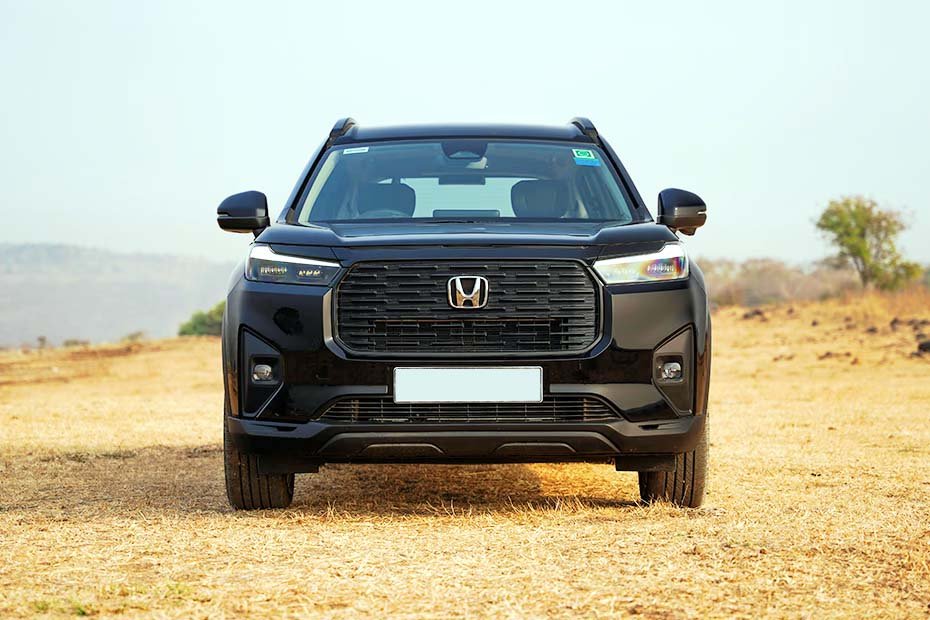
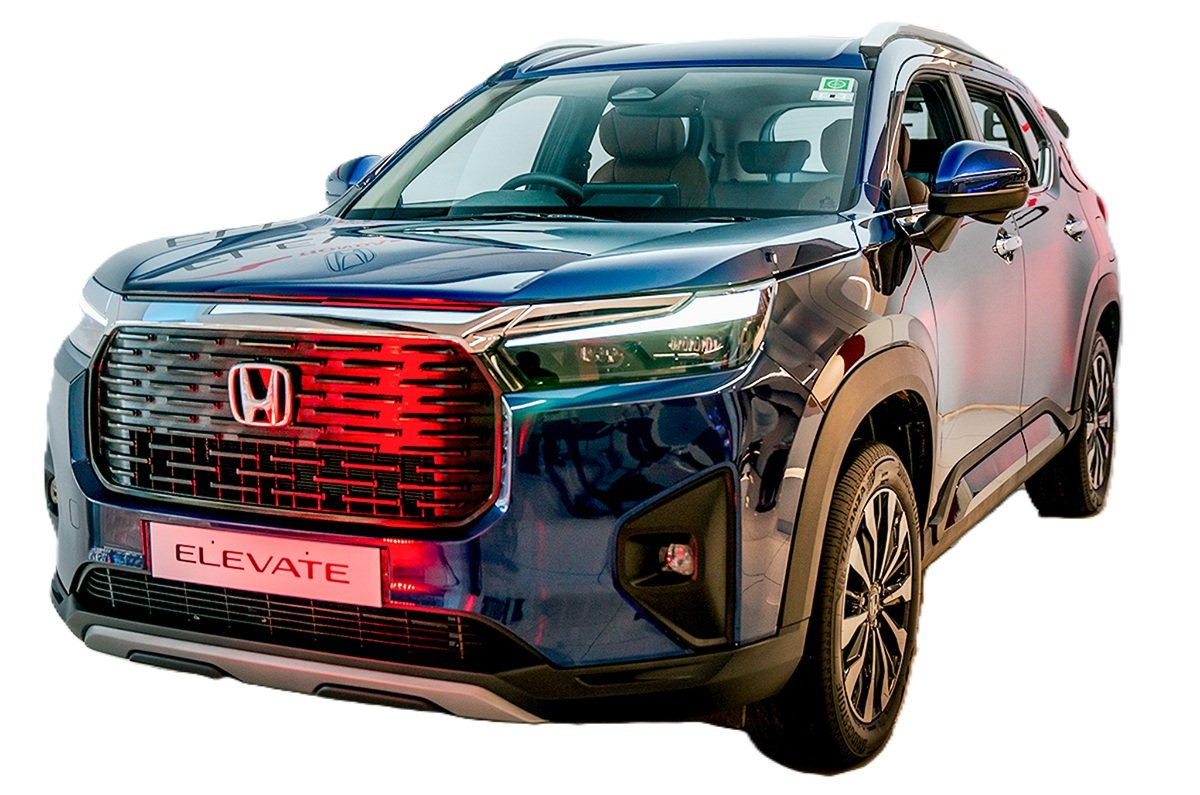
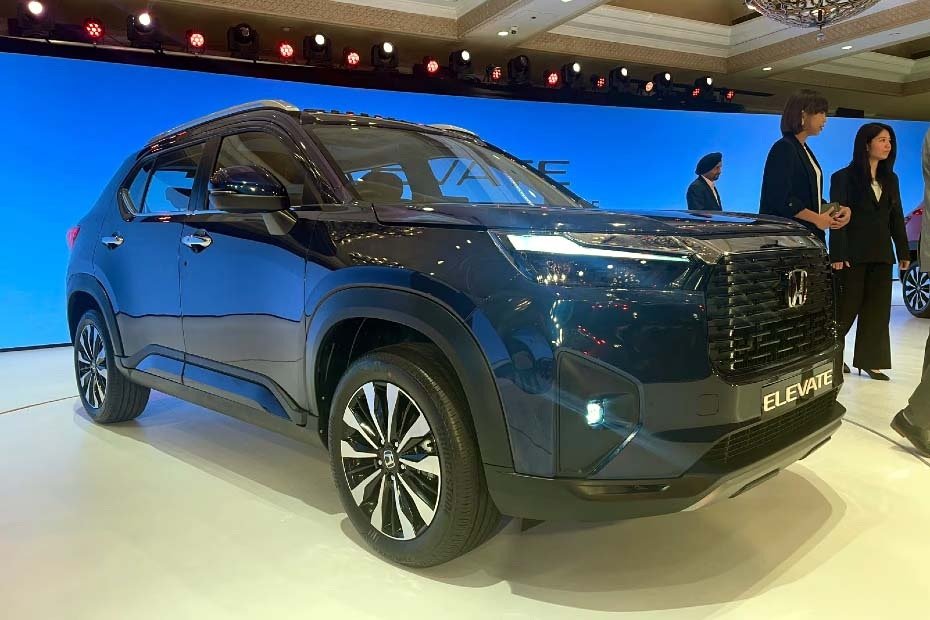
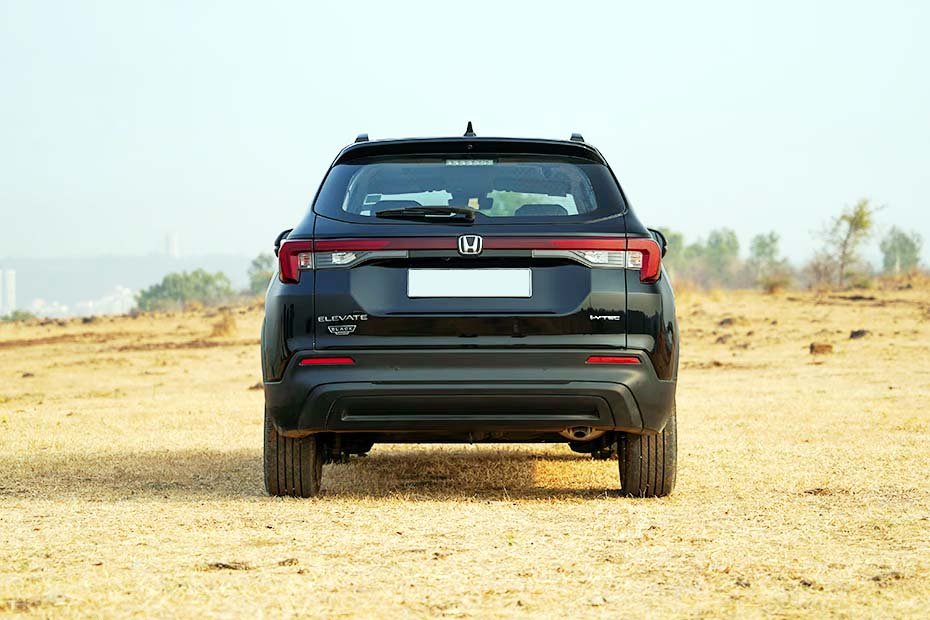
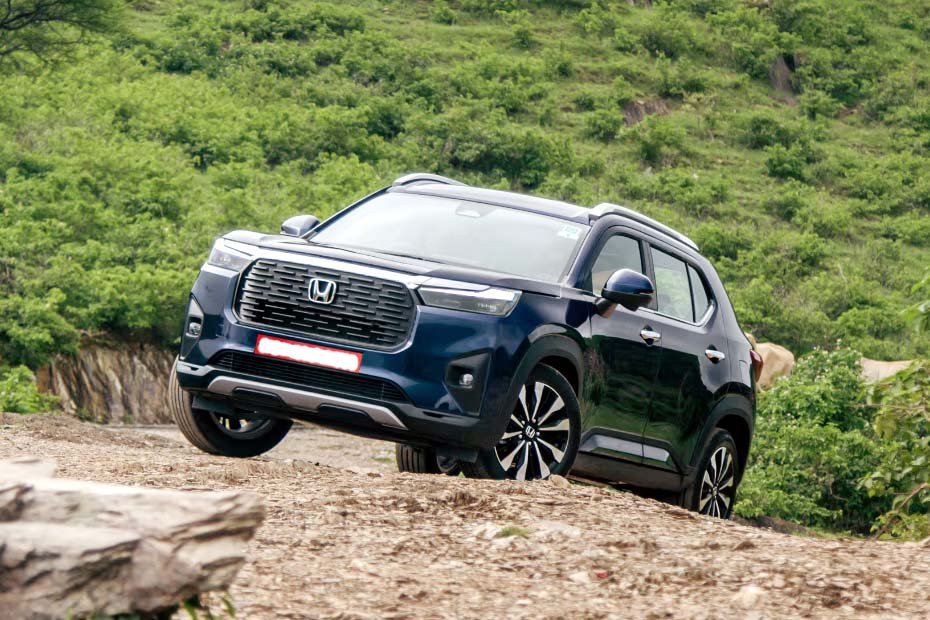
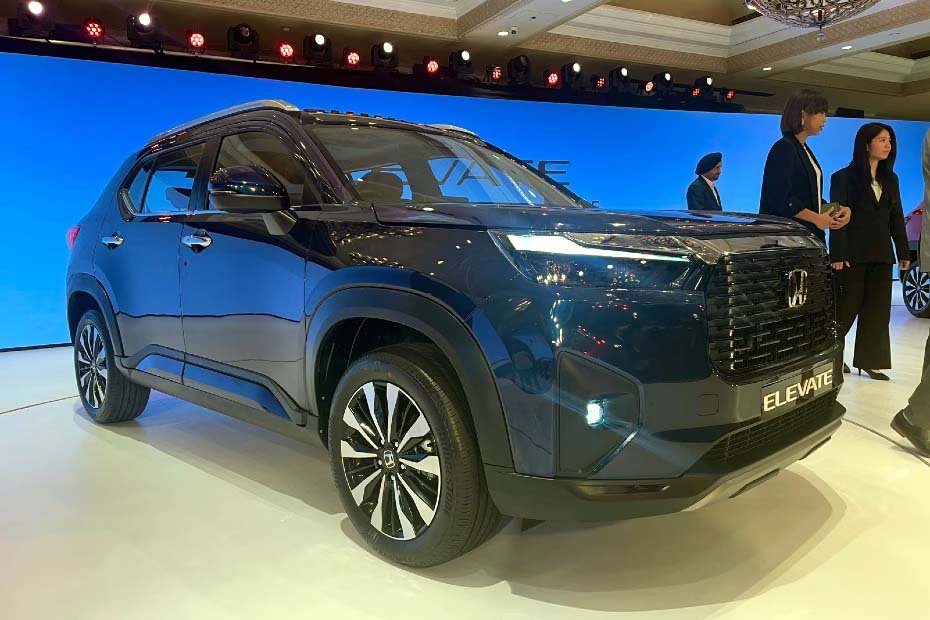
The Elevate EV is expected to retain the bold, upright stance of the petrol model but introduce futuristic styling cues typical of electric vehicles. Expect subtle yet noticeable changes such as:
- Closed front grille with illuminated Honda badge
- Aerodynamic alloy wheels for improved efficiency
- Redesigned bumpers and EV-specific accents
- Sleeker LED lighting signature
Honda is expected to follow a “familiar but futuristic” design approach, ensuring existing Elevate fans feel at home while attracting EV buyers seeking a modern look.
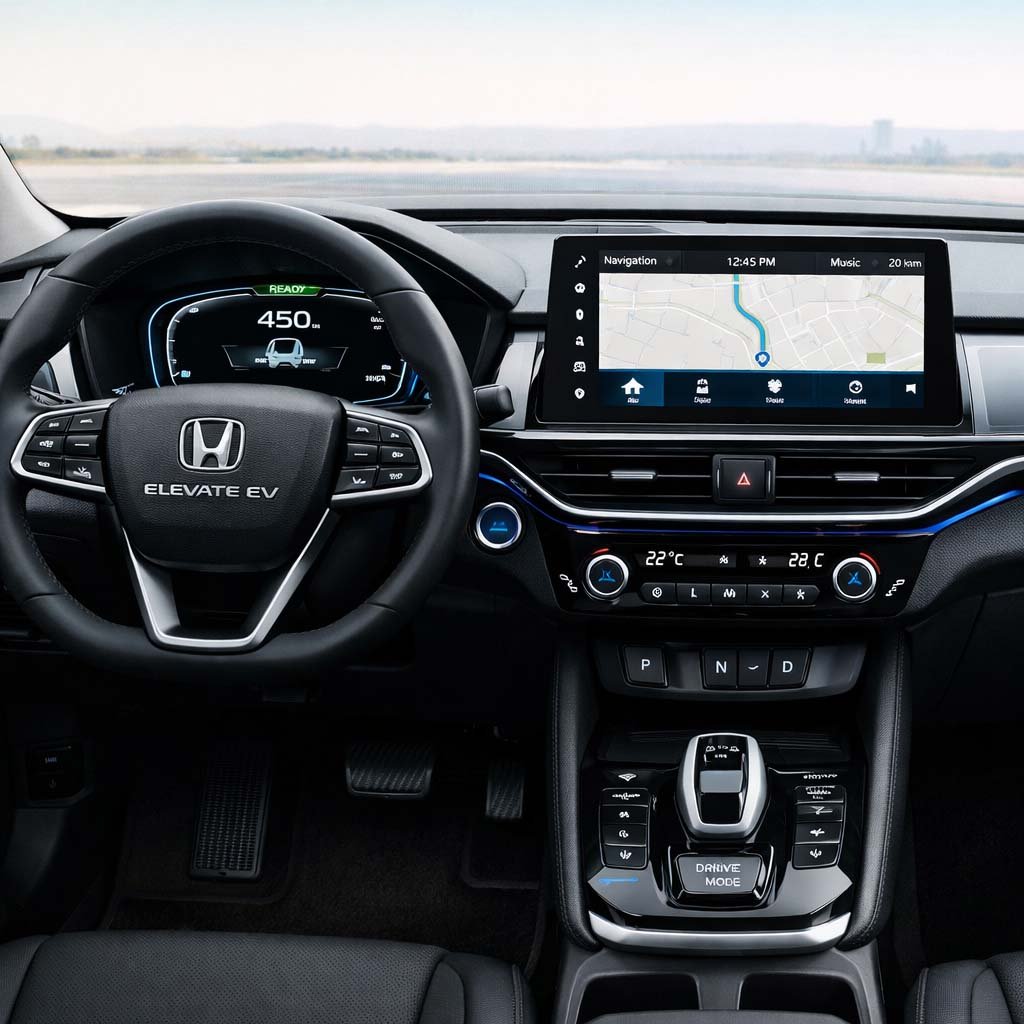
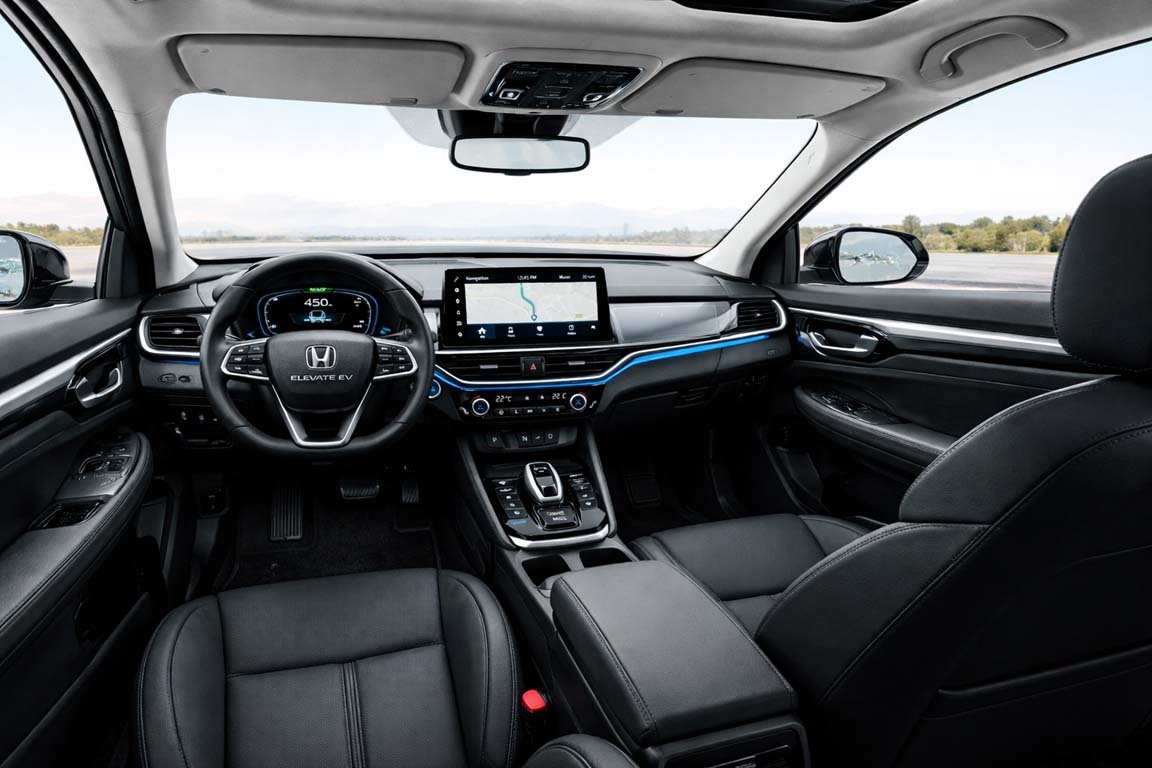
Inside, the cabin could receive a tech-heavy upgrade. Larger digital displays, connected car technology and premium materials are expected to help the Elevate EV compete with newer electric SUVs.
Platform and Powertrain Expectations
While Honda has not revealed official technical specifications yet, industry speculation suggests the Elevate EV could share technology with Honda’s global electric models, possibly derived from the brand’s newer EV architecture.
Expected highlights include:
- Battery range of around 400–500 km per charge
- Fast-charging capability for long-distance travel
- Front-wheel drive layout for efficiency
- Multiple drive modes for city and highway use
Honda is likely to focus heavily on reliability and real-world efficiency rather than headline-grabbing performance numbers.
Why the Elevate EV Matters for India
India’s EV market is rapidly expanding, especially in the mid-size SUV segment where buyers seek practicality, space and long driving range. Honda’s entry with the Elevate EV signals the company’s commitment to stay competitive in a segment currently dominated by new-age EV brands and established rivals.
The timing is crucial. Charging infrastructure is expanding, government incentives are encouraging EV adoption, and customers are becoming more comfortable with electric mobility.
For Honda, the Elevate EV could become a turning point — helping the brand rebuild momentum in India’s SUV market.
Positioning and Expected Pricing
The Elevate EV is expected to sit in the mid-size electric SUV category, competing with upcoming electric SUVs from mainstream and premium brands.
Industry speculation suggests pricing could fall in the Rs 18 Lakh To Rs 22 Lakh range (ex-showroom), making it accessible to urban buyers looking to switch to electric mobility.
If priced competitively, the Elevate EV could become one of Honda’s most important launches in India in years.
Honda’s Bigger Electrification Roadmap
Honda’s EV strategy isn’t limited to a single model. The company has been unveiling next-generation electric SUVs globally as part of a long-term electrification push. One such model, the Honda 0 Alpha electric SUV, is planned for India later in the decade, highlighting the company’s growing EV ambitions.
The Elevate EV will likely act as the first stepping stone toward this broader electric lineup.
Final Outlook
The Honda Elevate EV represents a major shift for Honda in India. It combines the practicality of a mid-size SUV with the efficiency of electric mobility, targeting families and urban buyers ready to make the switch.
If Honda delivers strong range, competitive pricing and its trademark reliability, the Elevate EV could become one of the most significant electric SUV launches of 2026 and a crucial milestone in the brand’s journey toward an electrified future.
Latest News And Articles
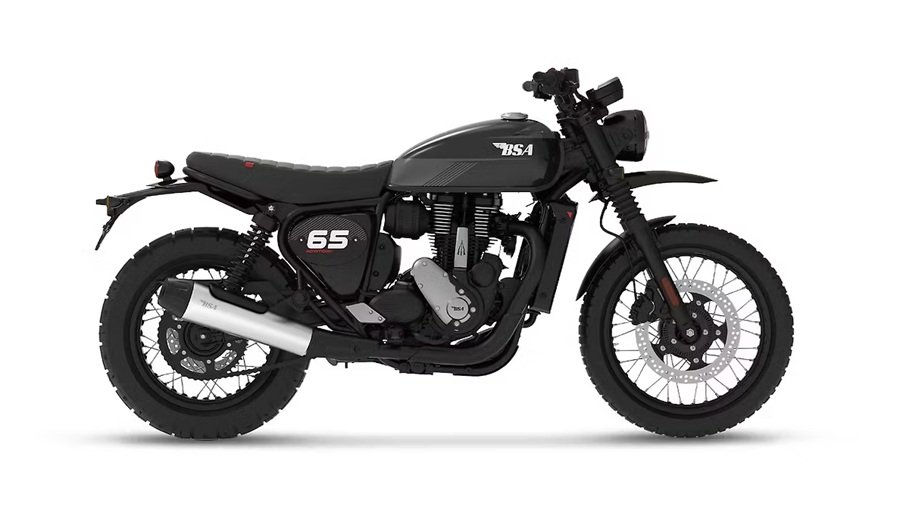
BSA Scrambler 650 Retro Legend Reborn with Modern Muscle For India Premium Bike Segment
Classic British Heritage Meets Rugged Scrambler Performance – BSA Scrambler 650 Enters India with Style and Strength
The BSA Scrambler 650 has officially entered the Indian market, marking a significant milestone for the iconic British brand’s revival under Classic Legends. Positioned as a premium retro-modern scrambler, this motorcycle blends heritage styling with contemporary engineering, aiming to carve a niche in India’s fast-growing mid-capacity segment.
A Strategic Launch In A Booming Segment
The launch of the BSA Scrambler 650 comes at a time when scrambler motorcycles are gaining popularity among Indian riders. Alongside the Yezdi Scrambler 350, this model represents Classic Legends’ dual strategy to target both entry-level and high-performance buyers.
Priced from around ₹3.24 lakh (ex-showroom), the Scrambler 650 is positioned as a premium offering, competing with models like the Royal Enfield Bear 650 and other retro-styled motorcycles.
This launch signals BSA’s intent to expand beyond its Gold Star lineup and establish a stronger foothold in India.
Powerful Engine with Strong Low-End Character
At the heart of the Scrambler 650 is a 652cc liquid-cooled single-cylinder engine, producing around 45 bhp and 55 Nm of torque.
Unlike many competitors that use parallel-twin engines, BSA has opted for a “big single†configuration. This setup delivers strong low-end torque, making it ideal for both city riding and off-road trails.
Peak torque arrives at around 4,000 rpm, ensuring quick acceleration and effortless cruising in real-world conditions.
The engine is paired with a 5-speed gearbox, tuned for smooth power delivery and relaxed riding dynamics.
Built For Adventure with Scrambler-Specific Hardware
The Scrambler 650 is not just a cosmetic variant—it features several mechanical changes to enhance its off-road capability.
It rides on a 19-inch front and 17-inch rear spoke wheel setup, wrapped in dual-purpose tyres designed for mixed terrain riding.
Suspension duties are handled by telescopic front forks and twin rear shock absorbers, offering a balance between comfort and rugged performance.
The bike also features a revised subframe, higher ground clearance, and a scrambler-style exhaust, reinforcing its off-road-ready character.
Design: Classic Meets Contemporary
One of the biggest highlights of the BSA Scrambler 650 is its design. Inspired by iconic BSA motorcycles like the Gold Star Catalina and A65 Firebird, it combines vintage aesthetics with modern elements.
Key design features include:
- Teardrop-shaped fuel tank with chrome accents
- Flat ribbed bench seat
- Round LED headlamp
- Raised front fender and minimalist tail section
This retro-modern styling gives the bike a distinct identity, appealing to riders who value both heritage and individuality.
Features And Safety Equipment
While the Scrambler 650 maintains a classic look, it does not compromise on essential modern features.
The motorcycle comes equipped with:
- Dual-channel ABS for improved braking safety
- Disc brakes at both ends
- LED lighting for better visibility
- Digital-analog instrument cluster
These features ensure that the bike meets modern expectations while preserving its vintage charm.
Market Positioning And Competition
The Scrambler 650 enters a competitive segment where buyers are increasingly looking for character-driven motorcycles. Its primary rivals include retro-styled bikes from Royal Enfield and other premium brands.
However, what sets the BSA apart is its unique engine configuration and authentic British heritage. It offers a different riding experience compared to twin-cylinder competitors, focusing more on torque and character than outright speed.
Ownership And Brand Strategy
Classic Legends is backing the Scrambler 650 with attractive ownership packages, including extended warranty options and service plans, to build customer confidence.
The brand is also leveraging its legacy appeal, targeting enthusiasts who appreciate classic design combined with modern reliability.
See Also This: Yezdi Scrambler 350 Rugged DNA Meets Modern Tech In A Sharper 2026 Avatar
Conclusion
The BSA Scrambler 650 represents a bold step in reviving a legendary name for modern riders. With its powerful engine, rugged hardware, and timeless design, it offers a unique alternative in the premium motorcycle segment.
While competition remains intense, the Scrambler 650 stands out with its distinctive character and heritage-driven appeal. For riders seeking a blend of nostalgia, performance, and versatility, this new offering could become one of the most exciting choices in India’s evolving scrambler market.
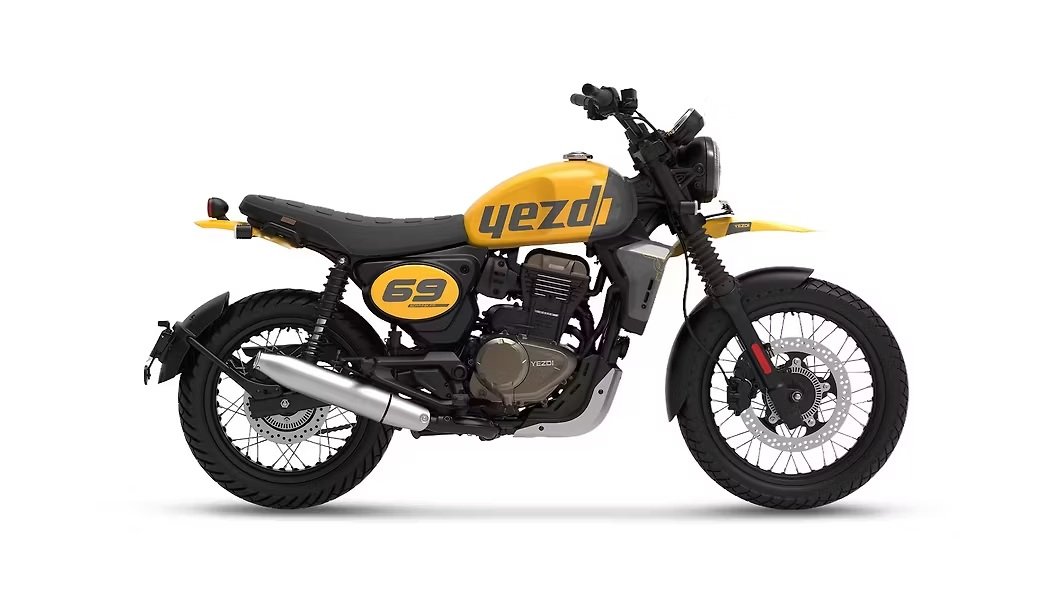
Yezdi Scrambler 350 Rugged DNA Meets Modern Tech In A Sharper 2026 Avatar
Rugged Scrambler Spirit Meets Modern Refinement: Yezdi Scrambler 350 Returns Stronger Smarter in 2026
The Yezdi Scrambler 350 has returned in 2026 with significant upgrades, marking a strong comeback in India's growing scrambler motorcycle segment. With improved performance, new technology, and refined dynamics, the latest version aims to address earlier feedback while strengthening its position against rising competition.
Fresh Update Focused On Real-World Riding
The 2026 Yezdi Scrambler 350 is not just a cosmetic refreshes a comprehensive upgrade. Priced from around Rs 2 lakh (ex-showroom), the bike gets meaningful changes aimed at improving everyday usability and rider confidence.
Classic Legends has focused on refining the overall riding experience by improving the chassis, tuning the engine, and introducing new features. The result is a more balanced motorcycle that is better suited for both city riding and light off-road adventures.
New Engine Brings More Refinement And Punch
At the heart of the updated Scrambler is a revised 334cc liquid-cooled, single-cylinder engine, often referred to as the engine. It now produces around 29.5 bhp and 30 Nm of torque, offering improved low- and mid-range performance.
The engine is paired with a 6-speed gearbox, delivering smoother shifts and better rideability. Yezdi has worked on improving throttle response and reducing vibrations, making the bike more refined than its predecessor.
This tuning ensures that the Scrambler remains versatile comfortable in daily commutes while still capable of handling weekend trail rides.
Stronger Chassis, Better Handling
One of the biggest upgrades for 2026 is the revised chassis. Yezdi has increased stiffness in the frame, which significantly improves handling and stability, especially on rough roads and off-road trails.
The bike continues with telescopic front forks and a rear monoshock setup, offering 150mm and 130mm suspension travel respectively.
With a ground clearance of 200mm and semi-knobby tyres, the Scrambler maintains its off-road-ready character. The slightly increased seat height (now 813mm) also enhances riding posture for taller riders and better control.
New Features Add Modern Appeal
The 2026 model introduces traction controls first for the Yezdi Scrambler, available with three preset modes. This feature significantly improves safety and control on slippery or uneven surfaces.
Dual-channel ABS with switchable rear ABS continues to be offered, allowing riders to enjoy controlled slides during off-road riding.
Additional updates include revised graphics, new colour schemes, and redesigned side panels, giving the bike a fresher and more premium look.
Designed For Everyday Versatility
Weighing around 174 kg, the Scrambler remains relatively lightweight for its segment, making it easy to handle in city traffic.
Its short wheelbase adds to agility, while the upright riding position ensures comfort during long rides. Yezdi has clearly focused on creating a motorcycle that can do it all, daily commuting, highway cruising, and mild off-roading.
Fuel efficiency of around 30 km/l further strengthens its practicality for Indian riders.
Competition Heats Up In Scrambler Segment
The 2026 Yezdi Scrambler 350 enters a competitive market, going up against models like the Triumph Scrambler 400X and Royal Enfield Scram 440.
However, Yezdi's approach is slightly different. Instead of focusing purely on performance, the brand is targeting riders who want a mix of style, versatility, and affordability.
The launch also aligns with a broader industry trend, as manufacturers expand their scrambler portfolios to tap into growing demand.
Ownership and After-Sales Push
To boost customer confidence, Yezdi is offering a standard 4-year/50,000 km warranty, extendable up to 6 years, along with roadside assistance packages.
This move is particularly important, as earlier models faced criticism regarding reliability and service. By strengthening its after-sales support, the brand is aiming to rebuild trust and attract new buyers.
See Also This: Honda Zero Alpha Honda First India-Focused EV SUV Signals A Bold New Electric Era
Conclusion
The Yezdi Scrambler 350 in its 2026 avatar represents a thoughtful evolution rather than a radical overhaul. With a more refined engine, improved chassis, and added technology like traction control, it addresses key shortcomings while retaining its rugged charm.
For riders seeking a stylish, versatile, and relatively affordable scrambler, this updated model offers a compelling package. As competition intensifies in the segment, the Scrambler 350 proves that Yezdi is serious about staying relevant in India's modern motorcycle landscape.
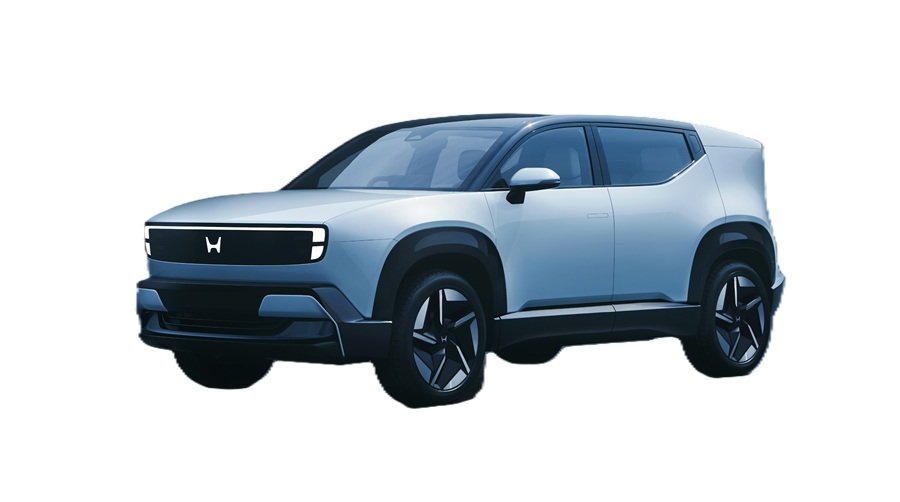
Honda Zero Alpha Honda First India-Focused EV SUV Signals A Bold New Electric Era
Honda Zero Alpha Honda First Mass-Market EV SUV Begins India Testing Signals Big Electric Shift
The Honda Zero Alpha is quickly becoming one of the most anticipated upcoming electric vehicles in India. As Honda’s first dedicated EV for the Indian market, the Zero Alpha represents a major turning point in the brand’s electrification strategy. With real-world testing already underway and a launch planned for 2027, this futuristic SUV is shaping up to be a game-changer in the mid-size EV segment.
India-Centric EV Strategy Takes Shape
Honda has officially begun pan-India road testing of the Zero Alpha, marking a critical milestone in its EV journey. The company is evaluating the SUV across diverse terrains, including highways, urban roads, and harsh weather conditions, to ensure it meets Indian driving needs.
This move confirms that India is not just a launch market but also a key development hub. Honda plans to manufacture the Zero Alpha locally and export it to global markets, making India a central pillar in its EV expansion strategy.
A New Design Philosophy: Thin, Light And Wise
The Zero Alpha is built on Honda’s new “Thin, Light, and Wise†philosophy, which focuses on efficiency, aerodynamics, and intelligent packaging. The SUV features a sleek yet upright stance, combining SUV practicality with a modern, minimalistic design.
At the front, a sealed panel replaces the traditional grille, integrating the charging port and LED lighting elements into a futuristic layout. The full-width light bar and clean body lines give it a distinct EV identity, setting it apart from conventional Honda models.
Despite its compact proportions, the SUV maintains a wide stance and sufficient ground clearance, ensuring it remains suitable for Indian road conditions.
Positioned As An Affordable Global EV
The Zero Alpha is designed as the entry-level model in Honda’s new “0 Series†lineup, making it a gateway product for buyers entering the EV space.
Expected to be priced between ₹20 lakh and ₹30 lakh, it aims to strike a balance between affordability and premium features.
This positioning places it directly against upcoming electric SUVs like Tata Curvv EV, Maruti e Vitara, and Hyundai Creta Electric, making the segment even more competitive.
Battery, Range And Performance Expectations
While Honda has not revealed full production specifications, early details suggest the Zero Alpha will feature battery packs in the 50–70 kWh range.
The company is targeting a driving range of around 400 to 500 km on a single charge, which would place it among the more practical EVs for long-distance use in India.
The SUV is expected to come with an automatic transmission and likely a single-motor setup, focusing on efficiency and smooth driving rather than outright performance.
Compact Yet Practical SUV Form Factor
In terms of size, the Zero Alpha is expected to be similar to the Honda Elevate, making it a compact SUV tailored for urban and semi-urban buyers.
The design emphasizes interior space and comfort, with Honda promising “outstanding passenger comfort†as a key highlight.
This balance between compact dimensions and spacious interiors could make it an ideal family EV for Indian consumers.
Technology And Future-Ready Approach
The Zero Alpha is not just about electrification—it represents Honda’s shift toward smarter, software-driven vehicles. The new platform is expected to support connected features, advanced driver assistance systems, and over-the-air updates.
Honda is focusing on creating a vehicle that adapts to user needs over time, aligning with global trends in intelligent mobility.
Market Impact And Competition
The arrival of the Zero Alpha is expected to intensify competition in India’s growing EV SUV segment. With rivals already preparing strong offerings, Honda’s entry comes at a crucial time.
However, Honda’s reputation for reliability, combined with local manufacturing and competitive pricing, could give the Zero Alpha a strong advantage.
Launch Timeline And Future Outlook
The Honda Zero Alpha is expected to launch in India around 2027, with production models likely to be revealed closer to the launch date. This SUV will mark the beginning of Honda’s broader EV lineup in India, with more models expected to follow under the “0 Series†umbrella.
See Also This: Volvo EX90 2026 Flagship Electric SUV Sets New Benchmarks in Safety Power And Intelligent Technology
Conclusion
The Honda Zero Alpha is more than just a new electric SUV—it’s a strategic reset for Honda in India. With local manufacturing, modern design, and practical range targets, it aims to deliver a well-rounded EV experience for Indian buyers.