.jpg "Record-Breaking Electric Vehicle Journey from Leh to Kanyakumari")
Record-breaking EV drive showcases the future of electric mobility in India
The recent record-breaking journey of an electric vehicle (EV) from Leh to Kanyakumari has garnered significant attention, showcasing the capabilities of modern electric mobility in India. This remarkable feat was achieved by a dedicated team, highlighting the potential of EVs for long-distance travel across diverse terrains.
Key Features
- Long-range battery technology enabling extensive travel without frequent charging.
- Advanced navigation systems tailored for electric vehicles.
- Robust performance in varying climatic conditions, from high altitudes to coastal regions.
- Eco-friendly design contributing to reduced carbon footprint.
Engine and Specifications
- Powerful electric motor providing instant torque and acceleration.
- High-capacity battery pack ensuring extended range on a single charge.
- Regenerative braking system enhancing energy efficiency.
- Lightweight chassis design for improved handling and performance.
Price and Variants
- The electric vehicle used for this journey is available in multiple variants, catering to different consumer needs.
- Pricing starts at a competitive rate, making it accessible for a wider audience.
- Incentives and subsidies may apply, further reducing the overall cost for buyers.
Conclusion
The successful completion of the fastest electric vehicle journey from Leh to Kanyakumari marks a significant milestone in India's electric mobility landscape. This achievement not only demonstrates the viability of EVs for long-distance travel but also encourages further adoption of sustainable transportation solutions across the country.

Gurgaon assault case highlights safety gaps in Rapido and other ride-hailing platforms
In a recent incident in Gurgaon, a driver associated with the ride-hailing service Rapido was arrested after allegedly assaulting a female passenger. This event has raised concerns regarding safety and driver conduct in the rapidly growing ride-sharing industry.
Key Features
- Incident involved a Rapido driver and a female passenger.
- Reportedly occurred in a public area in Gurgaon.
- Driver was apprehended by local authorities following the incident.
- Highlights the importance of safety measures in ride-hailing services.
Engine and Specifications
- While the incident does not pertain to a specific vehicle model, it underscores the need for stringent background checks and driver training in the ride-sharing sector.
- Ride-hailing services like Rapido utilize a variety of two-wheelers and four-wheelers, depending on the service offered.
Price and Variants
- The pricing structure for Rapido services varies based on distance and vehicle type.
- Rapido offers different ride options, including bike taxis and auto-rickshaws, catering to diverse customer needs.
Conclusion
The arrest of the Rapido driver following the assault incident in Gurgaon serves as a reminder of the ongoing challenges within the ride-hailing industry. Ensuring passenger safety remains a critical focus for companies like Rapido as they navigate the complexities of urban transportation.
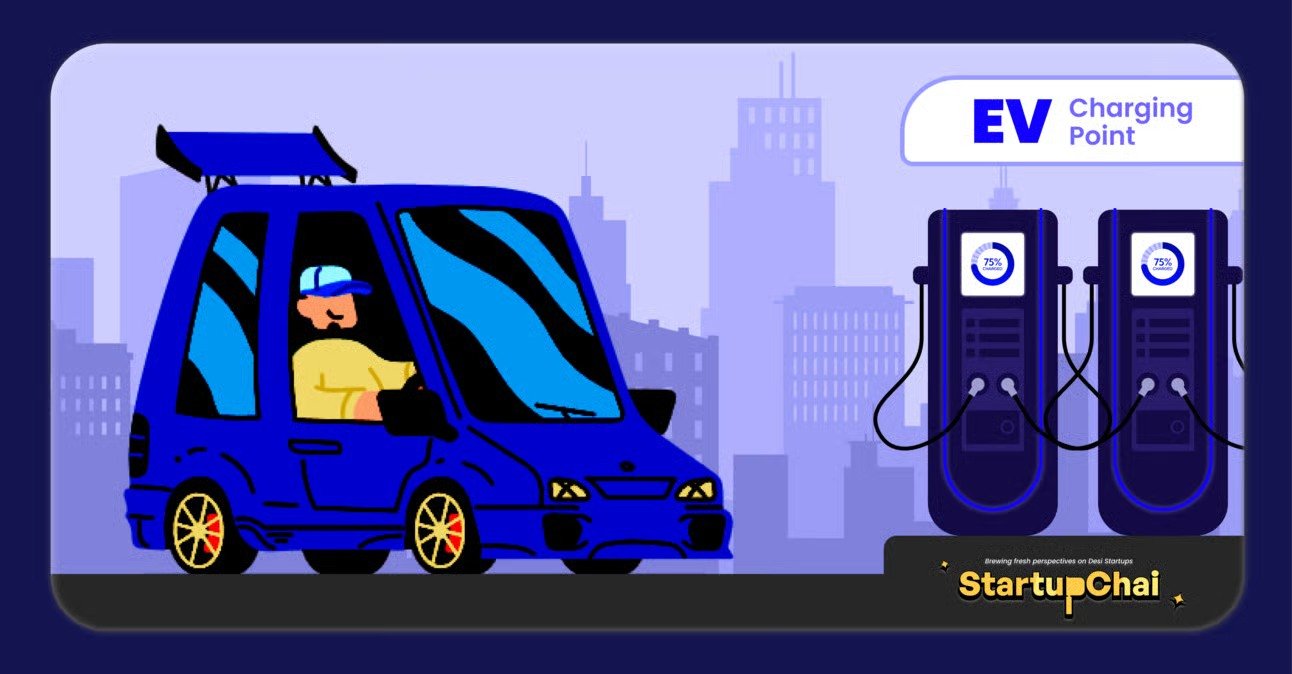
Exploring design, technology, and pricing trends in India’s growing EV segment
The electric vehicle (EV) market in India is rapidly evolving, with a growing interest in various design philosophies. As manufacturers and consumers navigate the transition from conventional vehicles to electric models, the design of these vehicles plays a crucial role in their acceptance and success.
Key Features
- Innovative aerodynamic designs to enhance efficiency.
- Integration of advanced technology for user-friendly interfaces.
- Focus on sustainability with eco-friendly materials.
- Customizable aesthetics to cater to diverse consumer preferences.
Engine and Specifications
- Electric powertrains offering instant torque and smooth acceleration.
- Battery capacities ranging from 20 kWh to over 100 kWh for varying range requirements.
- Regenerative braking systems to improve energy efficiency.
- Advanced safety features including collision avoidance systems and adaptive cruise control.
Price and Variants
- Entry-level EVs priced around INR 10 lakh.
- Mid-range models available from INR 15 lakh to INR 25 lakh.
- Premium electric vehicles exceeding INR 30 lakh, featuring luxury and advanced technology.
- Variants catering to different consumer needs, including compact cars, SUVs, and sedans.
Conclusion
The design of electric vehicles in India is a reflection of the country's shifting automotive landscape. As manufacturers continue to innovate, the focus on both conventional and futuristic designs will shape consumer preferences and drive the growth of the EV market. Understanding these design perspectives is essential for stakeholders aiming to succeed in this dynamic environment.
.jpg "Ford's Electric Vehicle Strategy: An In-Depth Analysis")
Ford has been a significant player in the automotive industry for over a century, and its recent pivot towards electric vehicles (EVs) marks a crucial chapter in its history. The company aims to compete with established EV manufacturers, particularly Tesla, by introducing a range of electric models that cater to various consumer needs.
Key Features
- Advanced driver-assistance systems (ADAS) for enhanced safety.
- Intuitive infotainment systems with seamless smartphone integration.
- Robust battery technology for extended range and quick charging capabilities.
- Innovative design elements that reflect Ford's commitment to sustainability.
Engine and Specifications
- Multiple battery options to suit different driving ranges and performance needs.
- Powerful electric motors providing instant torque and responsive acceleration.
- Regenerative braking systems to enhance efficiency and extend battery life.
- Vehicle-to-Load (V2L) technology for powering external devices.
Price and Variants
- Competitive pricing aimed at making EVs accessible to a broader audience.
- Various trim levels to cater to different budgets and preferences.
- Incentives and financing options available to encourage EV adoption.
Conclusion
Ford's foray into the electric vehicle market represents a significant shift in its business strategy. By focusing on innovative features, robust specifications, and competitive pricing, Ford aims to carve out a substantial share of the growing EV market. As the automotive landscape continues to evolve, Ford's commitment to electric mobility will be crucial in determining its future success.