Honda Elevate EV 2026
Ex-showroom Price*
Rs 18 Lakh*
On Road Price*
Rs 20 Lakh*
EMI Rs 30,839 / Month For 5 years
Honda Elevate EV 2026 Highlights
Honda Elevate EV 2026 Honda Big Electric SUV Push for India Begins
Honda is preparing a major leap into India’s fast-growing electric SUV space with The upcoming Honda Elevate EV a model expected to play a key role in the brand’s long-term electrification roadmap. As India accelerates toward greener mobility and stricter emission norms, the Elevate EV is shaping up to become Honda’s first mass-market electric SUV for the country, blending practicality, familiar design and modern EV technology.
The upcoming model is expected to build on the success of the petrol-powered Elevate, but with a completely new electric heart designed to meet future mobility demands. With the mid-size SUV segment currently booming, Honda’s electric move could significantly reshape its presence in India.
Honda’s Electric Vision Gets Serious
Honda has been cautious in the EV race, focusing heavily on hybrid technology in recent years. However, the company has confirmed that India will play a crucial role in its global electrification strategy. Industry reports indicate that Honda plans to bring an electric version of the Elevate within a few years to support stricter emission norms and expand its SUV lineup.
The Elevate EV is expected to arrive around 2026, positioning itself as Honda’s first locally relevant electric SUV aimed at mainstream buyers. The move also aligns with the company’s plan to introduce multiple SUVs in India by the end of the decade.
This new EV will likely be developed keeping India’s driving conditions, climate and cost sensitivity in mind, making localization a key focus.
Design: Familiar Yet Future-Ready
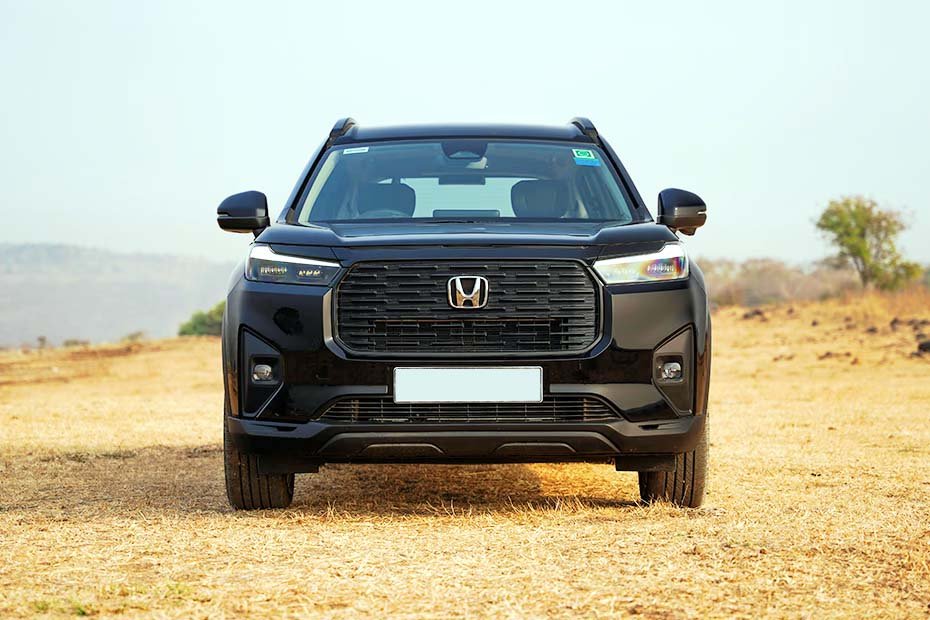
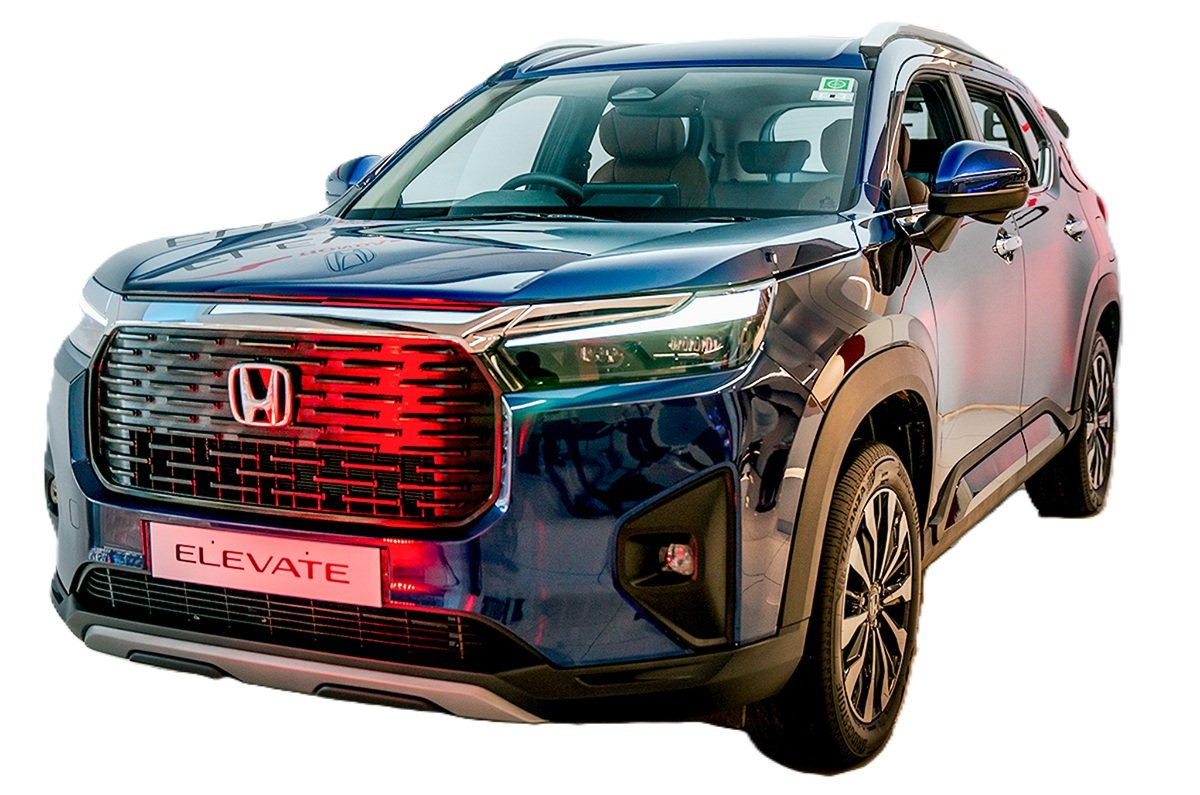
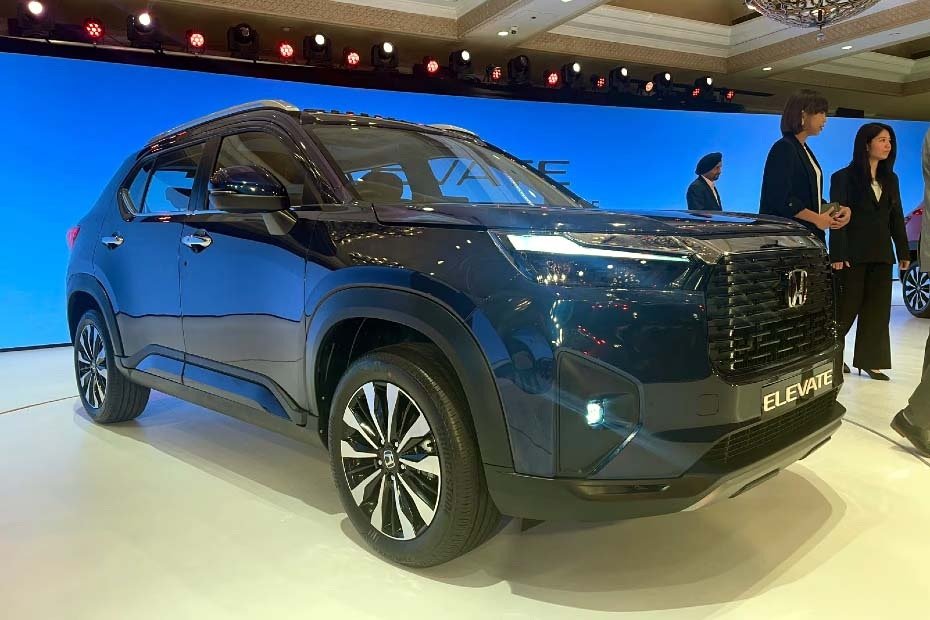
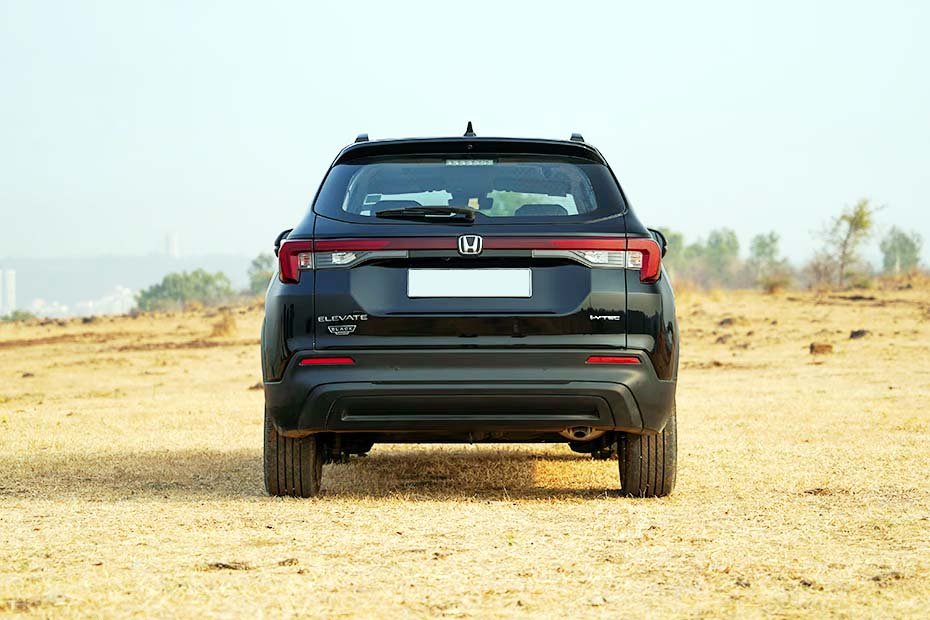
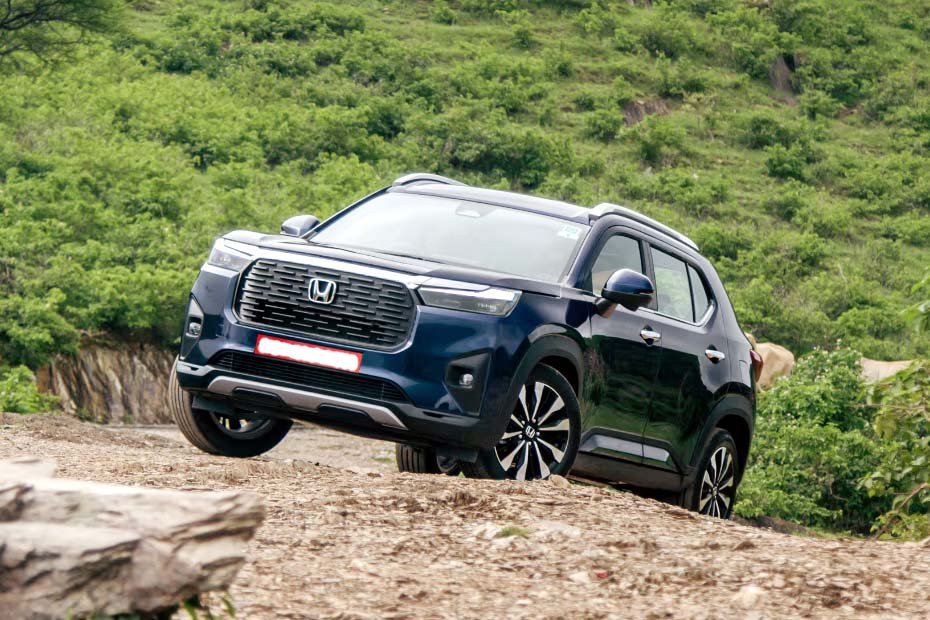
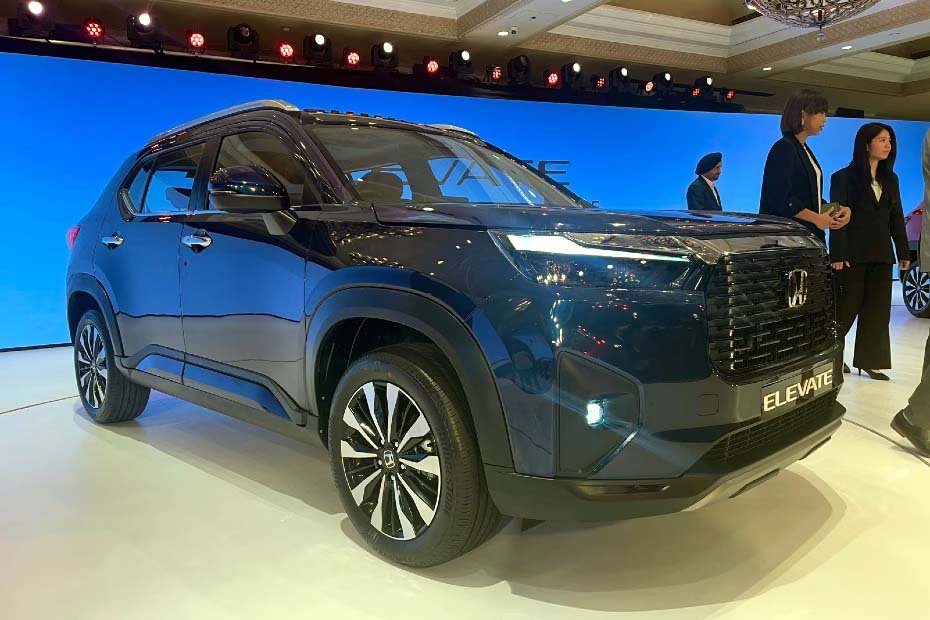
The Elevate EV is expected to retain the bold, upright stance of the petrol model but introduce futuristic styling cues typical of electric vehicles. Expect subtle yet noticeable changes such as:
- Closed front grille with illuminated Honda badge
- Aerodynamic alloy wheels for improved efficiency
- Redesigned bumpers and EV-specific accents
- Sleeker LED lighting signature
Honda is expected to follow a “familiar but futuristic” design approach, ensuring existing Elevate fans feel at home while attracting EV buyers seeking a modern look.
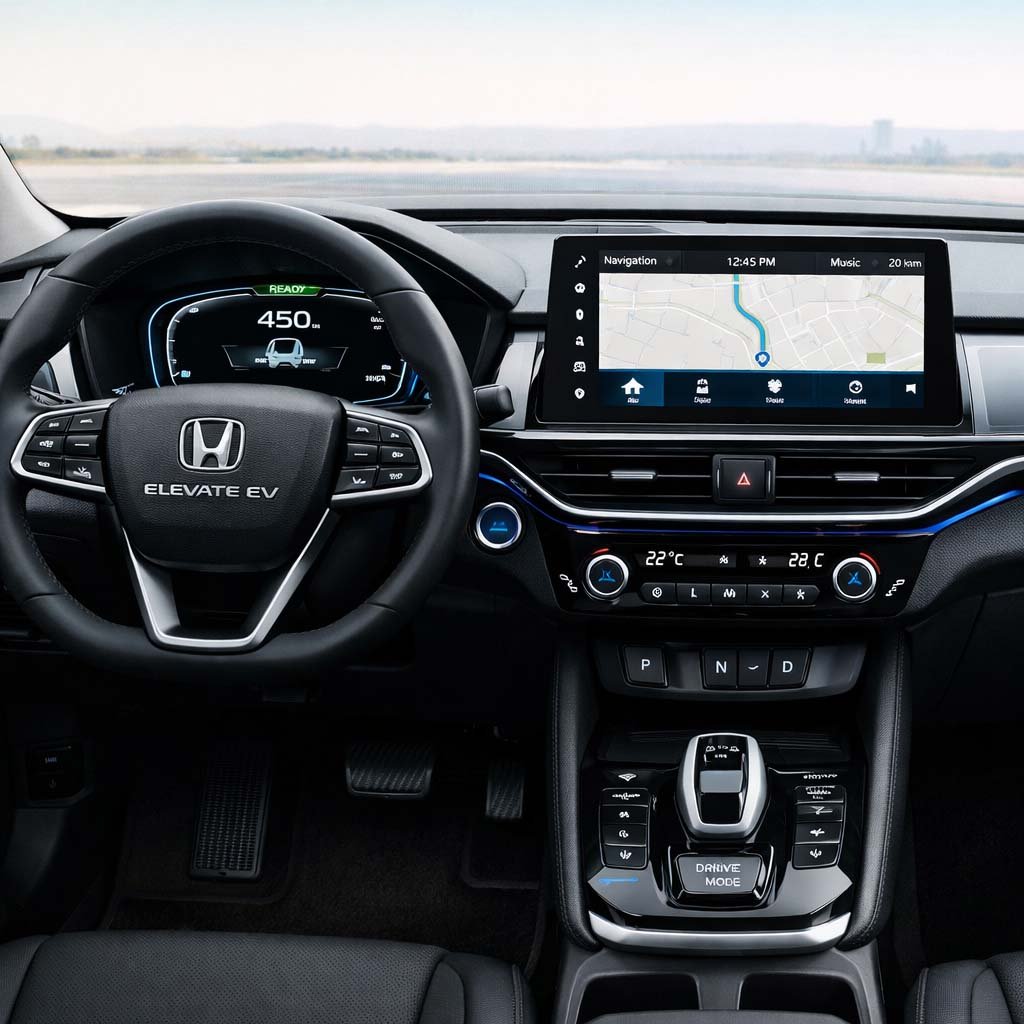
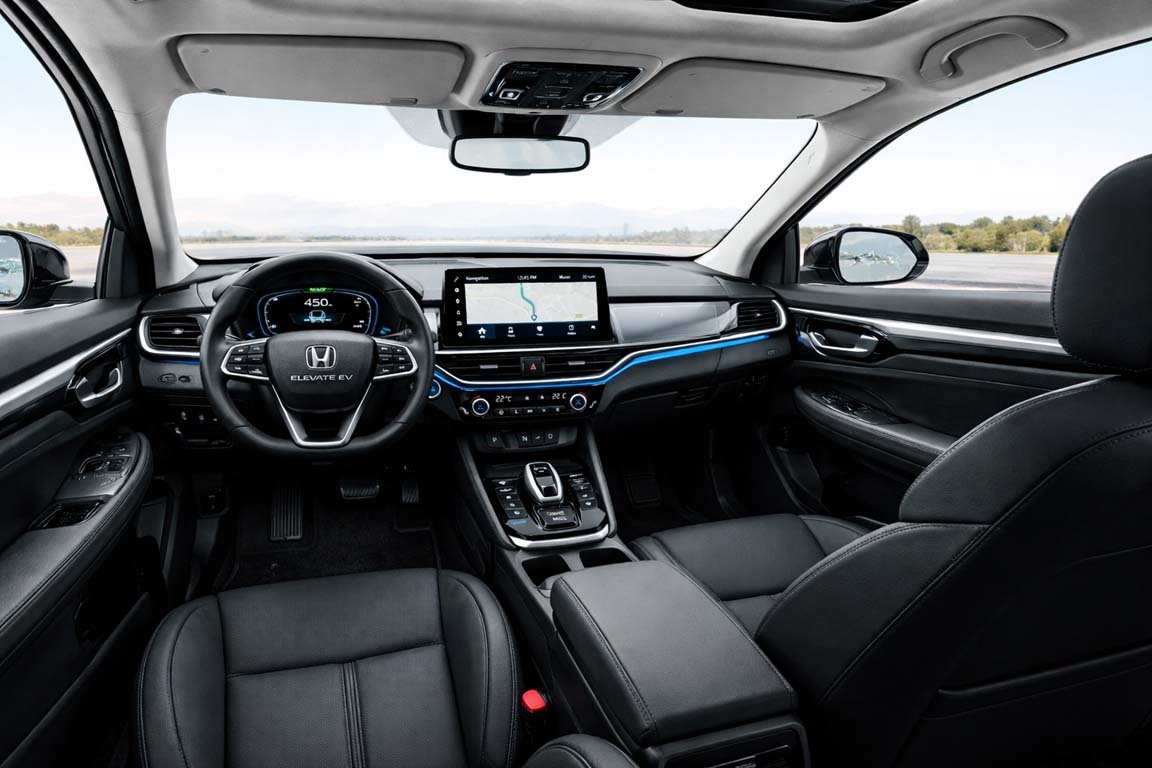
Inside, the cabin could receive a tech-heavy upgrade. Larger digital displays, connected car technology and premium materials are expected to help the Elevate EV compete with newer electric SUVs.
Platform and Powertrain Expectations
While Honda has not revealed official technical specifications yet, industry speculation suggests the Elevate EV could share technology with Honda’s global electric models, possibly derived from the brand’s newer EV architecture.
Expected highlights include:
- Battery range of around 400–500 km per charge
- Fast-charging capability for long-distance travel
- Front-wheel drive layout for efficiency
- Multiple drive modes for city and highway use
Honda is likely to focus heavily on reliability and real-world efficiency rather than headline-grabbing performance numbers.
Why the Elevate EV Matters for India
India’s EV market is rapidly expanding, especially in the mid-size SUV segment where buyers seek practicality, space and long driving range. Honda’s entry with the Elevate EV signals the company’s commitment to stay competitive in a segment currently dominated by new-age EV brands and established rivals.
The timing is crucial. Charging infrastructure is expanding, government incentives are encouraging EV adoption, and customers are becoming more comfortable with electric mobility.
For Honda, the Elevate EV could become a turning point — helping the brand rebuild momentum in India’s SUV market.
Positioning and Expected Pricing
The Elevate EV is expected to sit in the mid-size electric SUV category, competing with upcoming electric SUVs from mainstream and premium brands.
Industry speculation suggests pricing could fall in the Rs 18 Lakh To Rs 22 Lakh range (ex-showroom), making it accessible to urban buyers looking to switch to electric mobility.
If priced competitively, the Elevate EV could become one of Honda’s most important launches in India in years.
Honda’s Bigger Electrification Roadmap
Honda’s EV strategy isn’t limited to a single model. The company has been unveiling next-generation electric SUVs globally as part of a long-term electrification push. One such model, the Honda 0 Alpha electric SUV, is planned for India later in the decade, highlighting the company’s growing EV ambitions.
The Elevate EV will likely act as the first stepping stone toward this broader electric lineup.
Final Outlook
The Honda Elevate EV represents a major shift for Honda in India. It combines the practicality of a mid-size SUV with the efficiency of electric mobility, targeting families and urban buyers ready to make the switch.
If Honda delivers strong range, competitive pricing and its trademark reliability, the Elevate EV could become one of the most significant electric SUV launches of 2026 and a crucial milestone in the brand’s journey toward an electrified future.
Latest News And Articles
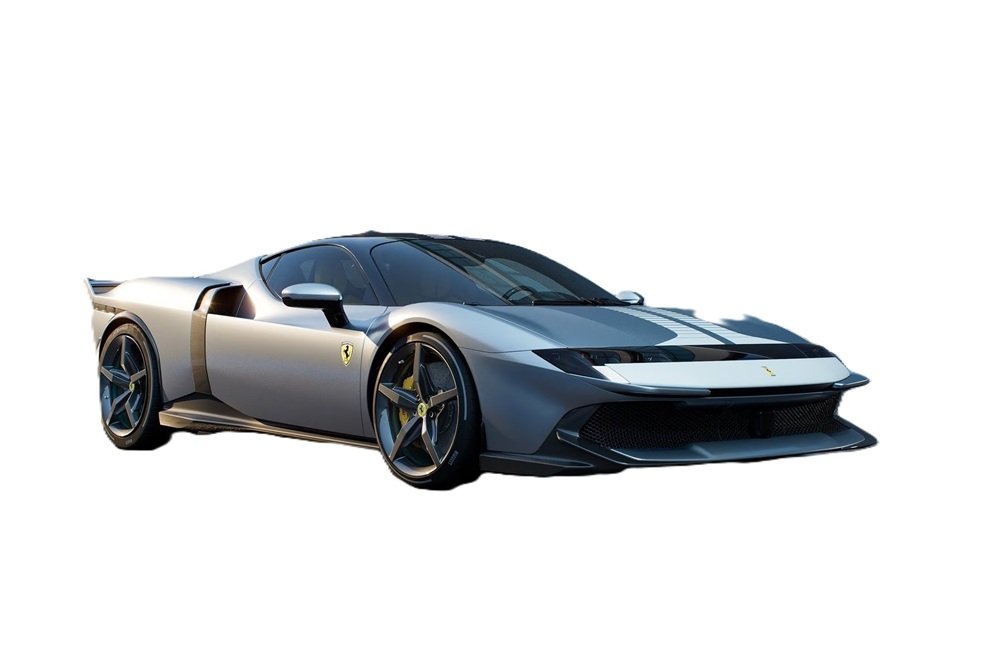
Ferrari 849 Testarossa Launched in India with 1000 HP Hybrid Power and Hypercar Performance
Ferrari revives the iconic Ferrari 849 Testarossa name with a futuristic hybrid supercar, combining extreme performance, advanced aerodynamics.
The Ferrari 849 Testarossa has officially been launched in India, marking a major milestone for the iconic Italian brand as it brings one of its most powerful and technologically advanced supercars to the country. Unveiled at a grand event in Mumbai, this model revives the legendary “Testarossa” name while pushing Ferrari into a new era of hybrid performance.
A Historic Launch in India
Ferrari hosted its first-ever national premiere in India to introduce the 849 Testarossa, highlighting the growing importance of the Indian luxury car market. The supercar is priced at around ₹10.37 crore (ex-showroom), placing it among the most exclusive cars on sale in the country.
Deliveries are expected to begin in the second half of 2026, with limited units likely to be allocated for India.
Hybrid Power Meets Extreme Performance
At the core of the 849 Testarossa is a plug-in hybrid powertrain that combines a 4.0-litre twin-turbo V8 engine with three electric motors. This setup produces a staggering over 1,000 hp (up to 1050 cv), making it the most powerful production Ferrari ever built.
The performance figures are equally breathtaking. The car can accelerate from 0–100 km/h in under 2.3 seconds and reach a top speed of over 330 km/h, placing it firmly in hypercar territory.
Despite its extreme performance, the car can also run in pure electric mode for short distances, showcasing Ferrari’s move toward electrification without compromising driving excitement.
Successor to the SF90 Stradale
The 849 Testarossa replaces the SF90 Stradale as Ferrari’s flagship model. It builds upon the SF90’s hybrid architecture but introduces major upgrades in power, aerodynamics, and driving dynamics.
Ferrari has also improved weight distribution, cooling systems, and overall efficiency, ensuring the car delivers both speed and stability on road and track.
Aerodynamics and Design Evolution
Design-wise, the new Testarossa blends retro inspiration with futuristic styling. It takes cues from Ferrari’s 1970s endurance race cars while incorporating modern aerodynamic elements such as an active rear spoiler and advanced airflow systems.
The car’s bold and sculpted look, along with its aggressive stance, ensures it stands out even among high-end supercars. Ferrari has focused heavily on aerodynamics, generating significant downforce to enhance high-speed stability.
Advanced Technology and Driving Dynamics
The 849 Testarossa is packed with cutting-edge technology, including advanced traction control, torque vectoring, and Ferrari’s latest vehicle dynamics systems. These systems work together to deliver precise handling and maximum grip, even at extreme speeds.
It also features an all-wheel-drive system powered by electric motors, allowing instant torque delivery and improved acceleration. The integration of digital systems ensures the car remains responsive and driver-focused.
See Also This: Maruti Suzuki Fronx Gains Popularity with Turbo Power SUV Styling and High Mileage
Ultra-Luxury Segment Rivalry
In India and globally, the 849 Testarossa competes with top-tier hypercars like the Lamborghini Revuelto. With its combination of heritage, hybrid technology, and record-breaking performance, Ferrari aims to set new benchmarks in the segment.
Conclusion
The Ferrari 849 Testarossa is more than just a new supercar—it represents the evolution of Ferrari’s engineering philosophy. By blending iconic design, electrified performance, and extreme power, the company has created a machine that honors its past while embracing the future.
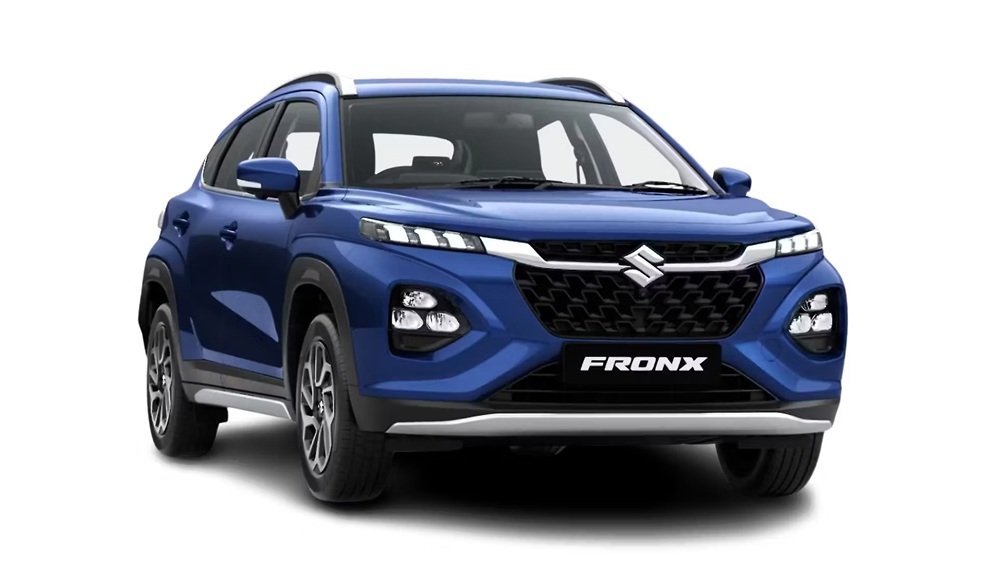
Maruti Suzuki Fronx Gains Popularity with Turbo Power SUV Styling and High Mileage
Maruti Suzuki’s stylish compact crossover continues to attract Indian buyers with its sporty design, efficient petrol and CNG options.
The Maruti Suzuki Fronx is a popular compact crossover SUV in India, sold through the premium Nexa dealership network. It combines the styling of a coupe-like SUV with the practicality and fuel efficiency Maruti cars are known for. The model was first showcased at Auto Expo 2023 and has quickly become one of the brand’s strong sellers in the sub-4-metre SUV segment.
Design and Positioning
The Fronx is based on the same platform as the Baleno hatchback but features a more muscular SUV-inspired design. Its raised stance, bold grille, LED lighting, and sloping rear roofline give it a sporty crossover look that appeals to younger buyers.
Engine Options
The Fronx offers multiple powertrain options to suit different driving needs:
- 1.2L DualJet Petrol: Produces about 90 PS and 113 Nm of torque, ideal for daily city driving.
- 1.0L Boosterjet Turbo Petrol: Generates around 100 PS and 148 Nm, delivering stronger performance for highway driving.
- 1.2L CNG Variant: Focused on lower running costs for budget-conscious buyers.
Transmission options include 5-speed manual, 5-speed AMT, and a 6-speed torque converter automatic, giving customers flexibility depending on their driving preference.
Mileage
Fuel efficiency is one of the key highlights of the Fronx:
- Petrol: up to about 22.9 kmpl
- Turbo petrol: around 21.5 kmpl
- CNG: about 28.5 km/kg
Price in India
The Fronx is positioned as an affordable compact SUV with a wide price range:
- Starting price: around Rs 6.85 lakh (ex-showroom)
- Top variant: around Rs 11.84 lakh (ex-showroom)
- On-road price: roughly Rs 7.79 lakh to Rs 13.7 lakh depending on variant and city.
See Also This: TVS Orbiter Affordable Electric Scooter Set to Transform Urban Commuting
Safety Update
In recent updates, six airbags have been made standard across all variants, improving passenger safety and aligning with newer safety standards in India.
Why It’s Popular
The Fronx attracts buyers because of its SUV styling, strong mileage, Maruti reliability, and wide service network. It also stands out as one of the few Maruti models to offer a turbo-petrol engine in the compact SUV segment.
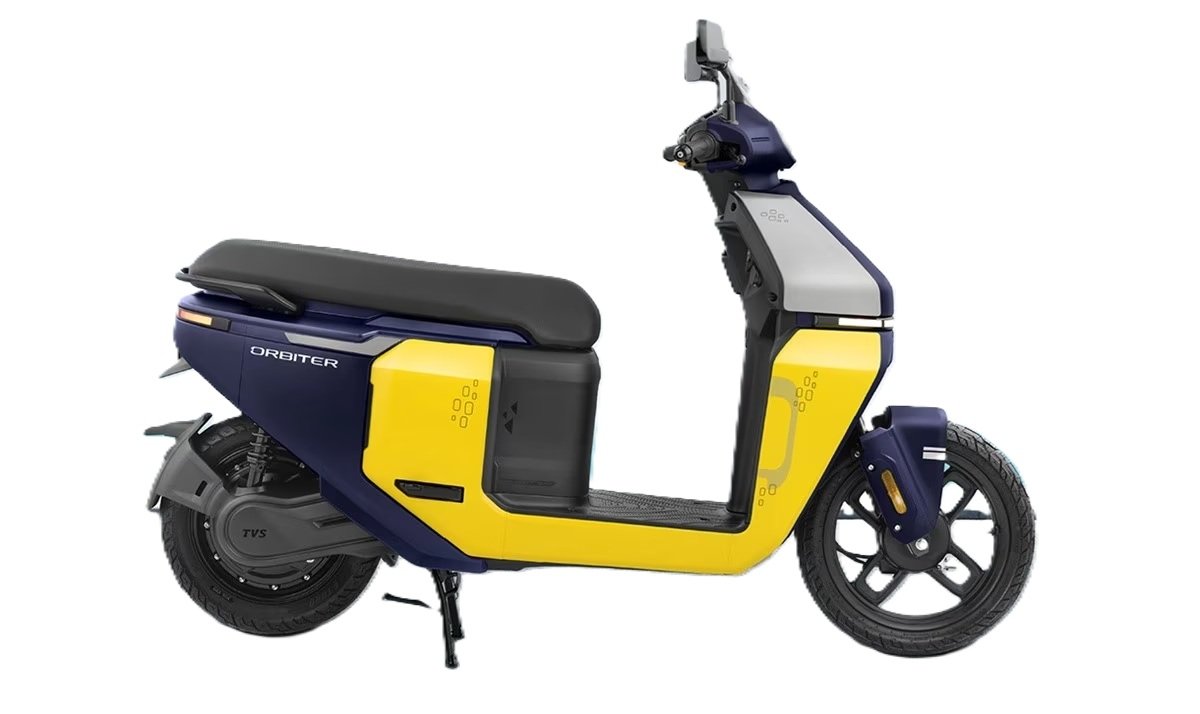
TVS Orbiter Affordable Electric Scooter Set to Transform Urban Commuting
TVS Orbiter New EV from TVS offers long range, smart tech and flexible ownership model
The TVS Motor Company has expanded its electric vehicle lineup with the launch of the TVS Orbiter a new electric scooter designed to make EV mobility more accessible for everyday riders in India. Positioned below the popular TVS iQube, the Orbiter aims to attract commuters who want an affordable, practical and technology-rich electric scooter for daily use.
One of the most interesting highlights of the TVS Orbiter is its innovative pricing strategy. The company introduced a Battery-as-a-Service (BaaS) model, which allows buyers to purchase the scooter at a significantly lower price without owning the battery initially. Under this system, the scooter can start at around Rs 49,999 (ex-showroom) with a battery subscription plan, while customers who prefer a full purchase option can buy the scooter with the battery for about ₹84,500 or more depending on configuration. This approach reduces the upfront cost of electric vehicles and makes them more accessible to a wider range of buyers.
In terms of performance, the TVS Orbiter is powered by a 3.1 kWh battery pack paired with an electric motor designed primarily for city commuting. The company claims an IDC-certified range of up to 158 km on a single charge, which makes it one of the longest-range scooters in its price category. This range allows riders to comfortably handle daily commutes, errands and short inter-city trips without frequent charging.
The scooter also brings several segment-first and premium features. One standout addition is cruise control, a feature rarely seen in this category. It also offers hill hold assist, reverse parking assist, and regenerative braking to improve both convenience and efficiency. These technologies make the Orbiter easier to ride in traffic and on slopes, especially for new riders.
Design is another area where the Orbiter tries to stand out. The scooter features a modern, aerodynamic design with LED lighting elements and a distinctive front DRL strip. TVS has also focused heavily on practicality, offering a 34-litre under-seat storage compartment that is large enough to store two helmets. The scooter also includes a flat footboard and a long seat, making it comfortable for both the rider and pillion during daily commuting.
Technology is a key part of the Orbiter’s appeal. The scooter comes with a connected digital instrument cluster that integrates with a smartphone app to provide features like navigation, geo-fencing, live location tracking and anti-theft alerts. Over-the-air (OTA) updates ensure that the scooter’s software can be improved over time, adding to its long-term value.
With strong competition emerging from brands like Ola Electric, Ather Energy and Bajaj Auto, the launch of the TVS Orbiter reflects how rapidly the Indian electric two-wheeler market is evolving. By combining affordability, smart technology and practical design, TVS aims to bring electric mobility closer to the mass market.
Overall, the TVS Orbiter represents an important step for the company as it continues to expand its EV portfolio. With competitive pricing, impressive range and modern features, the scooter has the potential to become a popular choice for urban commuters looking for an economical and eco-friendly alternative to petrol scooters.